
VALORANT makes a few seconds of quiet feel consequential. Before the first shot, there is a conversation about information: who has seen an opponent, which angle is exposed, and whether the next move is worth the risk. The gunfight is the answer to all that preparation.
Think first. Take the shot.
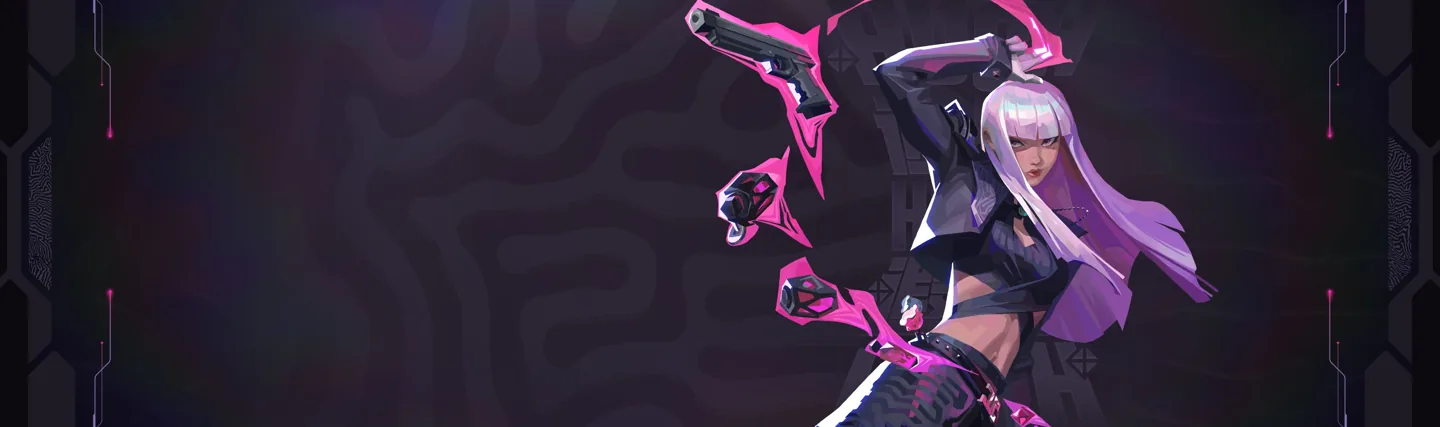
This is a tactical shooter built around a cast of agents. Abilities help teams create openings, deny space and gather information. They give the strategy a readable personality without removing the importance of careful aim and positioning.
The appeal is strongest if you enjoy building a shared vocabulary with a team. A map becomes easier to discuss as you learn the important spaces, and an ability becomes more useful when someone else is ready to act on it. That learning asks for patience. A beginner can have the right idea and still lose the immediate duel. The worthwhile question is whether you enjoy analysing that gap enough to return, not whether your first results look impressive.
A game with a history.
Riot launched VALORANT on PC in June 2020 after a closed beta. PlayStation 5 and Xbox Series X|S versions followed in 2024, with Canada among the supported console regions. PC and console matchmaking remain separate; owning different devices can affect which friends you can join.
The moment-to-moment.
Two teams of five contest attack and defence rounds. The attackers try to plant the Spike; defenders try to stop them or defuse it. Equipment purchases connect one round to the next, making the team economy another shared decision. Learning when to save can be as useful as learning when to push.
Choose one thing to notice in each session. It might be the angle you expose when leaving cover, the distance between you and a teammate, or whether you have enough information to use an ability. Reviewing a round through one question keeps the lesson manageable. When you play with friends, agree on short callouts and leave space for important information. Communication helps most when it describes what someone else can act on, rather than narrating every thought.
Use the practice range, then choose one agent to learn. Focus on stopping before firing and keeping your crosshair at head height.
Beyond the controls.
The agents belong to a near-future setting, with character histories presented through official cinematics and other material. Those stories add flavour, but understanding a map and your chosen agent is much more immediately useful than memorising the lore.
A detail worth noticing.
Console players can play with other supported consoles, but not with PC players. Check your group’s platform before choosing VALORANT as the evening’s game.
Why it’s on the shelf
- Readable rounds with meaningful decisions
- Agents reward different kinds of contribution
- A strong reason to learn maps together
Before you jump in
The learning curve is steep, and the Windows version requires Riot Vanguard. Check Riot’s current system requirements.
No entry fee.
Read the small print.
The game is free to start. Optional purchases include weapon cosmetics and passes; agents can also be unlocked through the game’s progression and currency systems. A paid cosmetic does not replace learning the mechanics.
Canadian access depends on your device, age, account region and the publisher’s current terms. Check official availability and system requirements before installing. KAVRIQON does not sell currency, provide accounts or host the game.
Continue to VALORANTFacts checked against the official sources below on 4 November 2026. Recommendations and first-session advice are editorial judgement, not a claim of a scored play test. Release years refer to the game’s original release, not its free-to-play transition.
- Official game information ↗
- 2020 launch: Riot Games ↗
- Console cross-play: PlayStation Canada ↗
- Canadian platform listing — PlayStation ↗