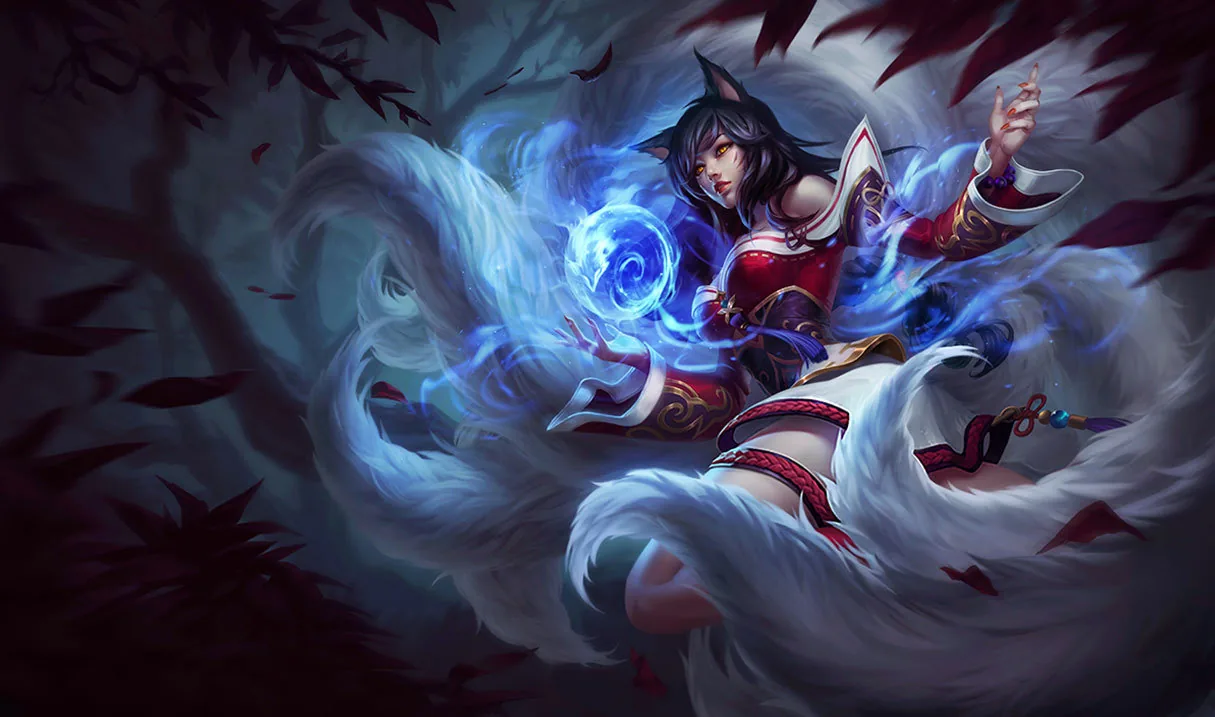

League of Legends is an exercise in turning individual decisions into a collective advantage. A successful team needs more than spectacular duels: it needs information, timing and someone willing to make the useful play that never makes a highlight reel.
Five roles. One shared plan.
The central idea is a team-based contest of resources and territory. Champions bring different abilities to the same map, so a team’s strengths depend on how those kits work together. Picking a role gives a beginner a manageable part of that larger puzzle.
League becomes more readable when you separate the match into small decisions. A lane asks how safely you can collect resources. The wider map asks where your team can create an advantage. A fight asks which threats and abilities matter right now. Trying to solve all three perfectly at once is overwhelming. Learning one role gives those questions a useful frame. It also makes the contributions of other roles easier to recognise, which is a better foundation for teamwork than expecting every player to do the same job.
A game with a history.
Riot Games released League of Legends in 2009. Its development has continued through champion additions, balance updates and changes to the map and supporting systems. Think of it as a long-running competitive game with an evolving rulebook rather than a campaign you finish.
The moment-to-moment.
In the main mode, two teams of five work towards destroying the opposing Nexus. Minions, turrets, jungle objectives, gold and experience shape the route there. Farming consistently and watching the map give you a foundation that flashy mechanical tricks cannot substitute for.
After a difficult game, pick one repeated situation to investigate. Perhaps you kept moving into an area without information, or returning to lane after the opponent had already gained control. A small, repeatable adjustment is easier to practise than a complete reinvention of your play. Leave room for the fact that team games contain decisions you cannot control. Concentrate on information, positioning and clear intentions; the scoreboard alone does not explain whether a particular choice was useful.
Choose a straightforward champion and concentrate on one role. Learn what a safe position looks like before worrying about a perfect build.
Beyond the controls.
The champion roster draws on Runeterra, Riot’s broader fantasy setting. The competitive map is not a chronological retelling of that world. Enjoy a character’s story if it interests you, while treating each match as its own strategic contest.
A detail worth noticing.
A support can influence a match without being the main damage dealer. Vision and protection are real contributions, which makes the role worth considering if you like enabling a group.
Why it’s on the shelf
- Distinct roles within a shared strategy
- Deep champion and item interactions
- Long-term room for improvement
Before you jump in
Matches demand attention and a willingness to learn. Use the mute controls whenever chat stops being useful.
No entry fee.
Read the small print.
League is free to play. The champion roster is unlocked over time, with a rotating free selection. Optional purchases include champions, skins and event content. This guide covers PC League, not the separate Wild Rift game.
Canadian access depends on your device, age, account region and the publisher’s current terms. Check official availability and system requirements before installing. KAVRIQON does not sell currency, provide accounts or host the game.
Continue to League of LegendsFacts checked against the official sources below on 4 November 2026. Recommendations and first-session advice are editorial judgement, not a claim of a scored play test. Release years refer to the game’s original release, not its free-to-play transition.
Artwork provenance and credits ↗